

Introduction
Undercover Academic’s (UA) recent teaching excursion left a lasting and positive impression by real estate development projects of Saudi Arabia executed under the banner of “Vision 2030”—a socio-economic transformation program. Its key themes are developing ‘a vibrant society’, ‘a thriving nation’, and ‘an ambitious nation’. The latter focuses on creating new non-oil-based economic sectors that contribute towards the economy. Headline-grabbing real estate projects such as Neom and Qiddiya are leading the charge, but more subtle and focused projects such as Saudi Downtown Centre Company aiming to revitalise town centres of secondary cities into meaningful places of community cohesion.
As someone with almost two decades of experience encompassing both international work and contributions within Saudi Arabia, I’ve had the privilege of undertaking strategic organizational transformation and investment deals under the Vision 2030 environment, experiencing first-hand the positivity, dynamism, and enthusiasm about the future.
The anticipated outcomes include diversification of asset classes, growth in platform asset managers, and a proliferation of real estate-focused funds.
Asset Class Diversification
Vision 2030 is reshaping Saudi Arabia’s real estate sector traditionally focused on residential, commercial, and hospitality. Government programs like “National Industrial Development & Logistics” and “Invest Saudi” are actively driving investment towards emerging asset classes such as industrial zones, integrated logistics parks, and data centres. Such asset classes are spearheaded by a dedicated organization under the Vision umbrella. NEOM, for instance, is leading the charge in data centres, renewable energy infrastructure, and advanced manufacturing hubs (e.g. Oxagon), utilising sovereign capital to establish these sectors and attract subsequent private investment. This is in addition to NEOM developing new ultra-luxurious sustainable tourist destinations. This diversification suggests that Saudi Arabia’s key asset classes may soon resemble those identified in the ULI Emerging Real Estate Trends (Europe) 2025 report.
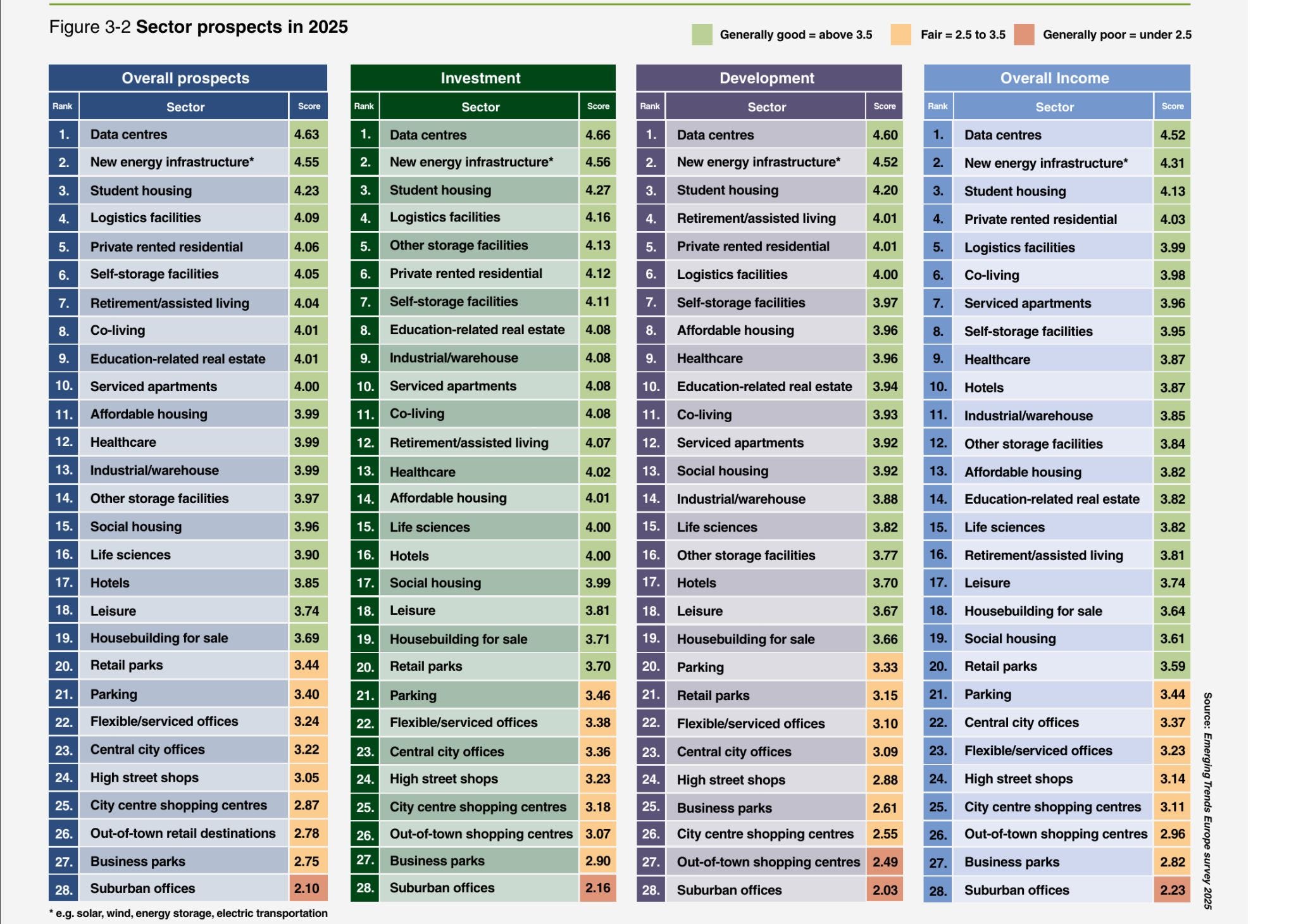
In my experience, three asset classes stand out as particularly promising in Saudi Arabia’s evolving real estate landscape:
Data Centers: As the Kingdom enters the global AI race with ambitions to become a leading hub (link), data center development and operations is poised for growth.
Hotels: The burgeoning tourism sector is fueling a hospitality boom, with projections of approximately 320,000 new hotel keys by 2030 (link).
Advanced Manufacturing Facilities: While still in its early stages, this sector, spearheaded by Alat (link), holds considerable potential for future expansion. An early prototype of this asset class was the industrial zone located in King Abdullah Economic City (KAEC).
Platform Asset Managers
Saudi Arabia’s Asset Management is relatively nascent compared to the more mature and established market of the UK and US, but it holds immense potential waiting to be realised. The gap between the two countries, in terms of the number of active asset managers, has widened over the past two decades, highlighting the greater competition within the UK market (the US leads the charge with ~16,000 firms).
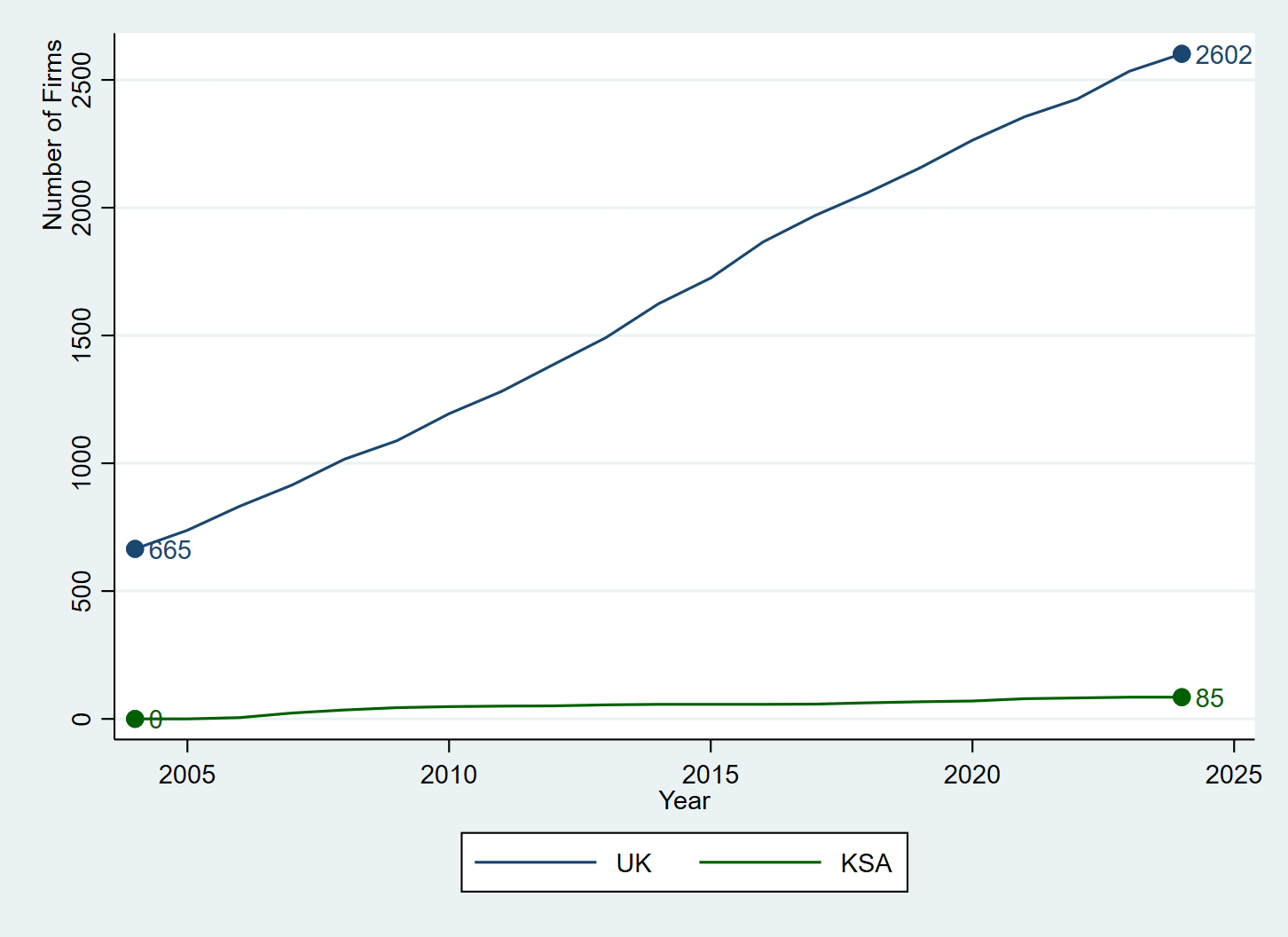
However, this disparity also underscores the considerable real-estate
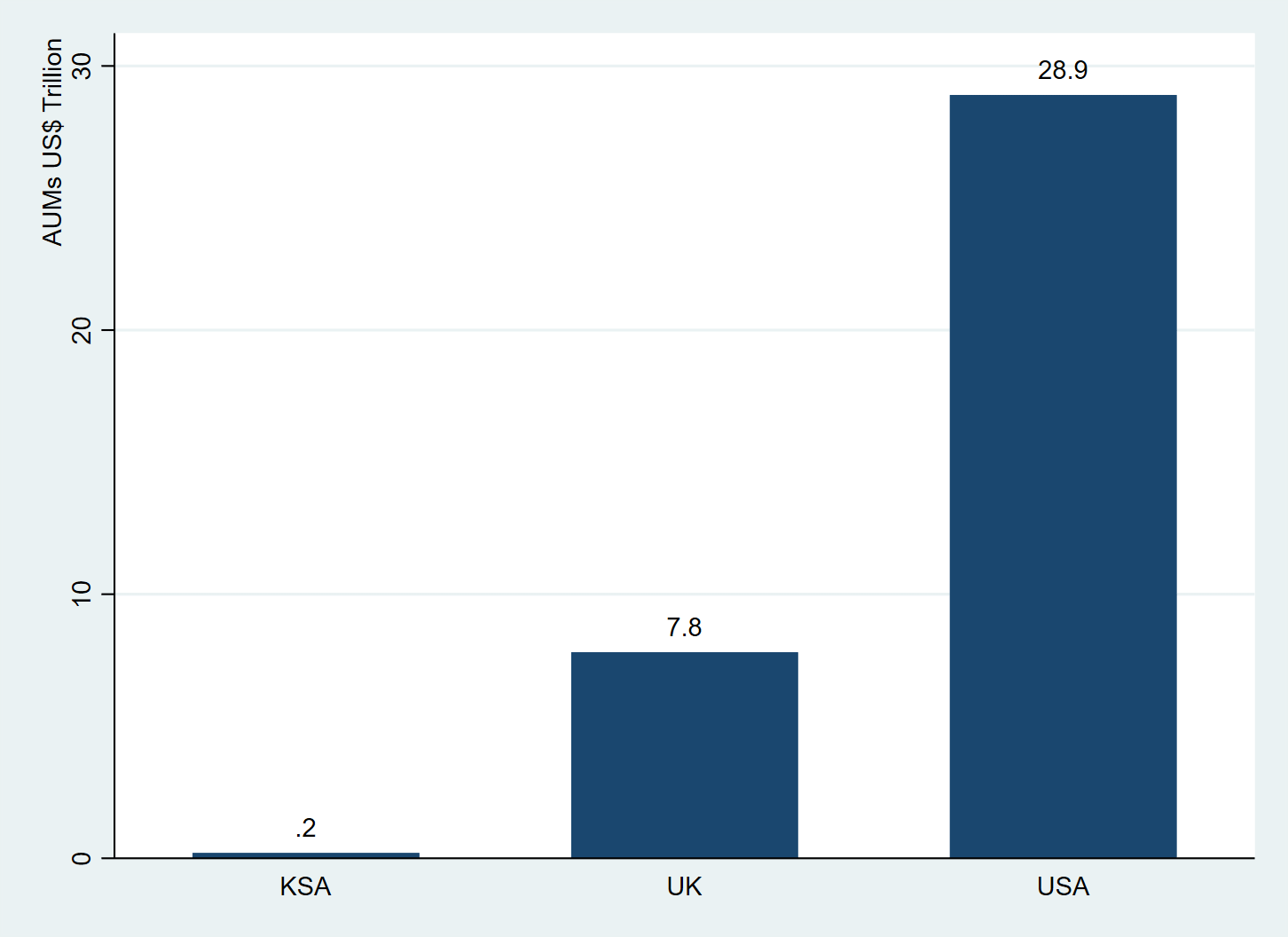
backed opportunities available in Saudi Arabia, particularly given the value of these projects is exceeds US$ 1 Trillion (link). The combined AUM’s of the country’s asset managers stands at $0.2 Trillion, whereas the UK has $7.8 Trillion.
Once these assets are completed, the Public Investment Fund (PIF) will explore exit strategies to capitalize on their investments. This will attract international and established players, creating a competitive dynamic between local and international firms. The type of capital accessed by the Asset Manager will determine their successes, and patient capital will play a positive role. Currently, many existing players in the Saudi market originate from the banking sector, often removed from the intense operational realities of real estate. True value creation in real estate stems from operational expertise, a strength often found in investor-operators, an area of potential expansion for the Asset Managers.
REITS or Funds?
Finally, the substantial volume of real assets in Saudi Arabia is expected to drive a shift towards fund structures. Real Estate Investment Trusts (REITs), a regime established in the UK in 2007 and introduced in Saudi Arabia nearly a decade later, presents a natural pathway for this transition.
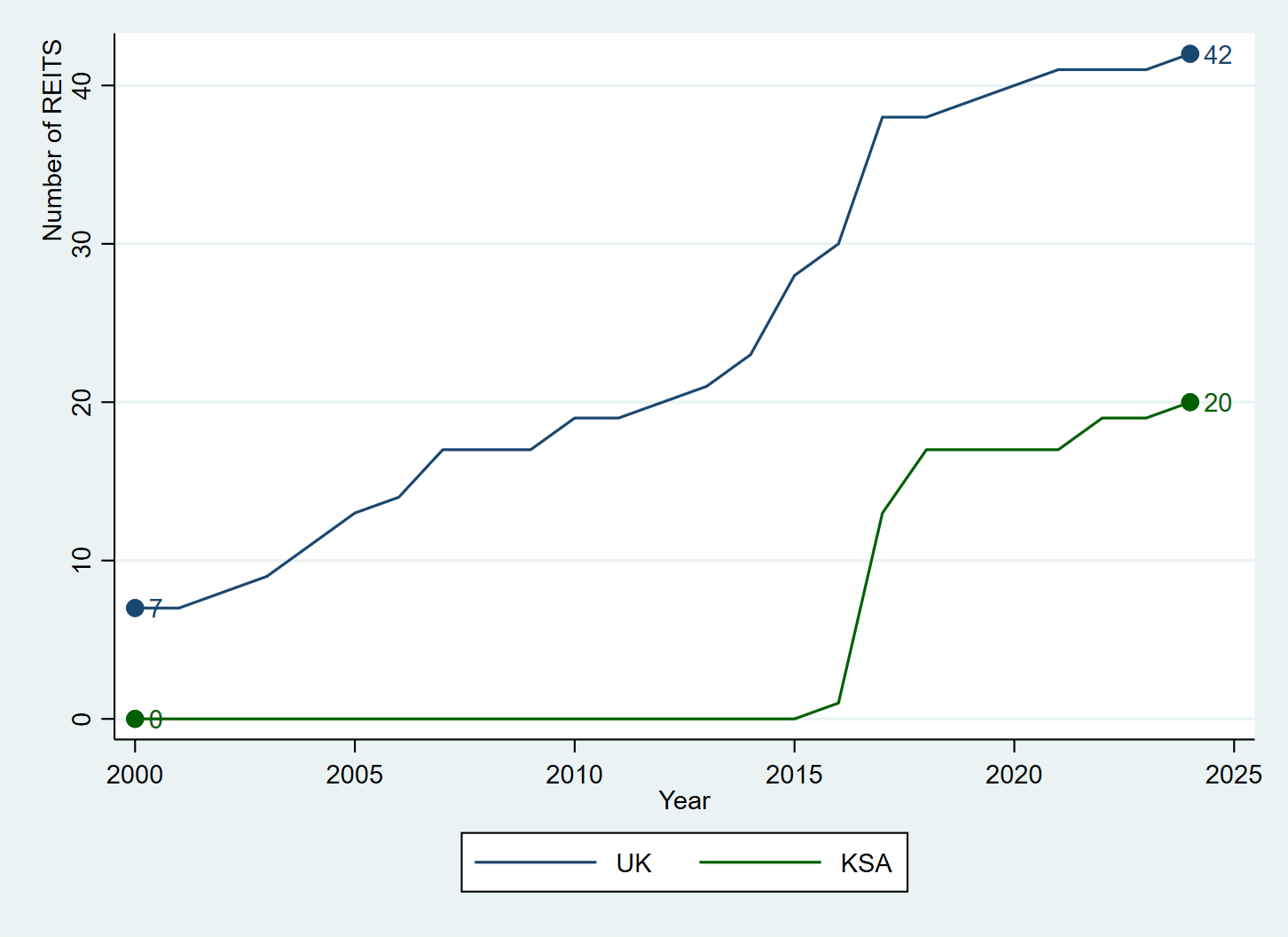
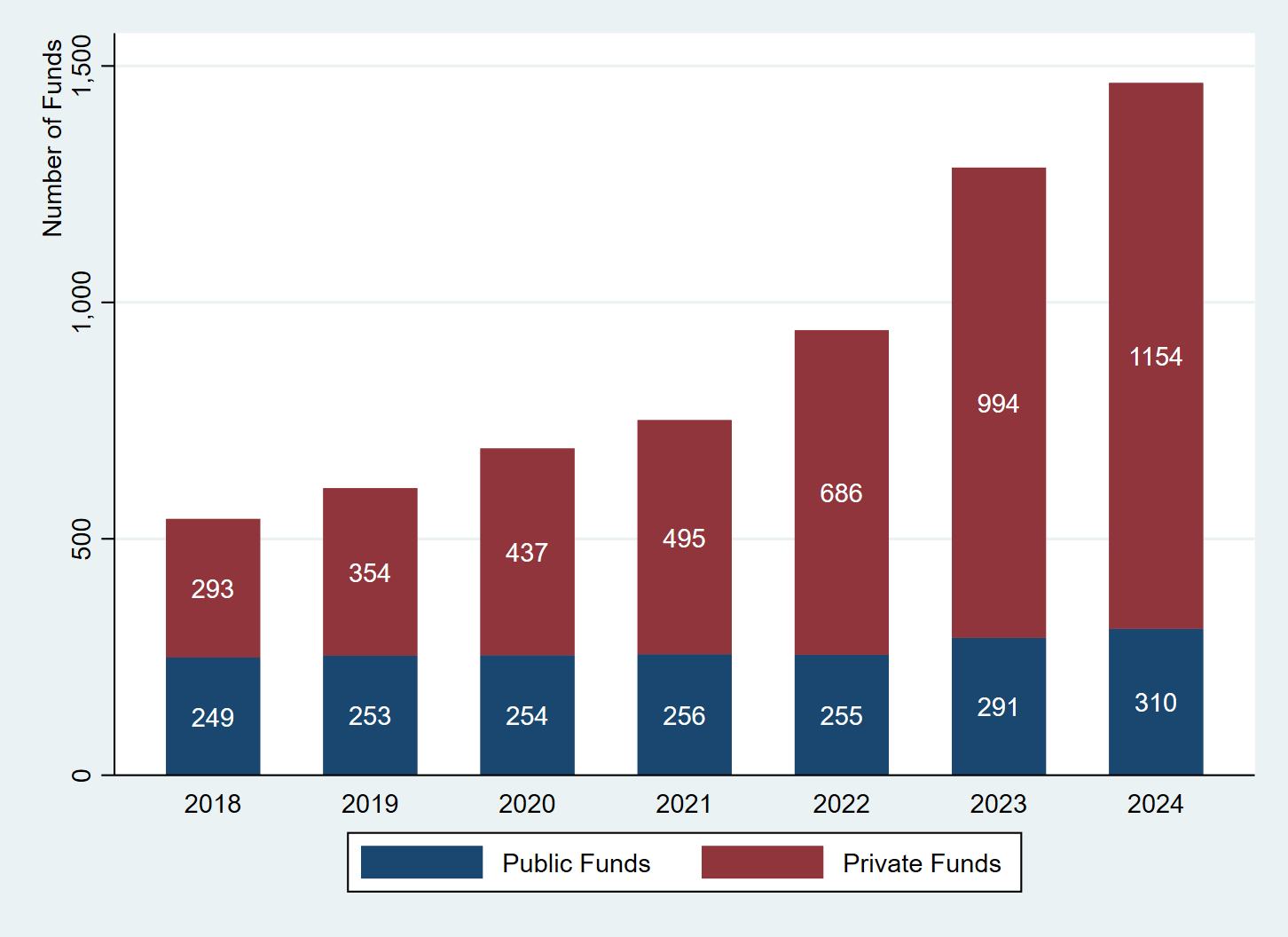
After an initial surge in listings following the introduction of the REIT regime in Saudi Arabia, interest has seemingly waned. This could be attributed to the extensive compliance requirements and broader REIT-specific challenges, similar to those experienced in the UK market (link). While one avenue (REITs) has experienced limited traction, another (private funds) has shown remarkable growth. Despite limited information on the asset class composition of these funds, it underscores a potential exit arena.
Future Outlook
Saudi Arabia’s ambitious real estate transformation is generating considerable excitement and appears poised to reshape the nation’s economy.
While attracting financial capital is crucial for sustaining this diversification, it’s equally vital to consider the long-term human impact.
These projects will become part of the legacy inherited by future generations, shaping their identity and lived experience.
Therefore, financial decisions must prioritize the well-being and cultural heritage of the Saudi people.
Originally published in the Spring 2025 issue of the Property Chronicle, accessible at https://heyzine.com/flip-book/1250454fc7.html#page/42.